
How fast can Revere Porta Pros respond after a disaster?
Speed matters most in the first 24 to 48 hours, when normal plumbing is down and people still need somewhere to go. We keep standard porta potty rental units staged for quick deployment, and for most emergency calls in Revere we can have a unit delivered the same day or the next morning. A portable toilet rental doesn't need water or sewer hookup, which is exactly why it works when a building's systems are offline. If the situation is still unfolding, our emergency porta potty rental line is built for that call, not a next-week quote request.
Delivery access matters too. A roll-off or restroom trailer needs about 60 feet of straight clearance behind the truck to set down safely, so if your staging site is a tight lot or a damaged driveway, tell us before the truck rolls. We serve Revere directly and can reach nearby communities fast: Chelsea is 3.3 miles southwest, Winthrop Town is 3.7 miles south, and Everett sits 4.4 miles west, all inside a short response window from our staging point. For a shelter or command post that needs more than toilets, we also bring in temporary fence rental to secure a perimeter and light tower rental units to keep the site workable after dark. Anyone estimating a headcount for a shelter or relief site should start with how many porta potties do I need before calling in an order, since getting the count wrong the first time just means another delivery.
What sanitation do shelters and relief sites actually need?
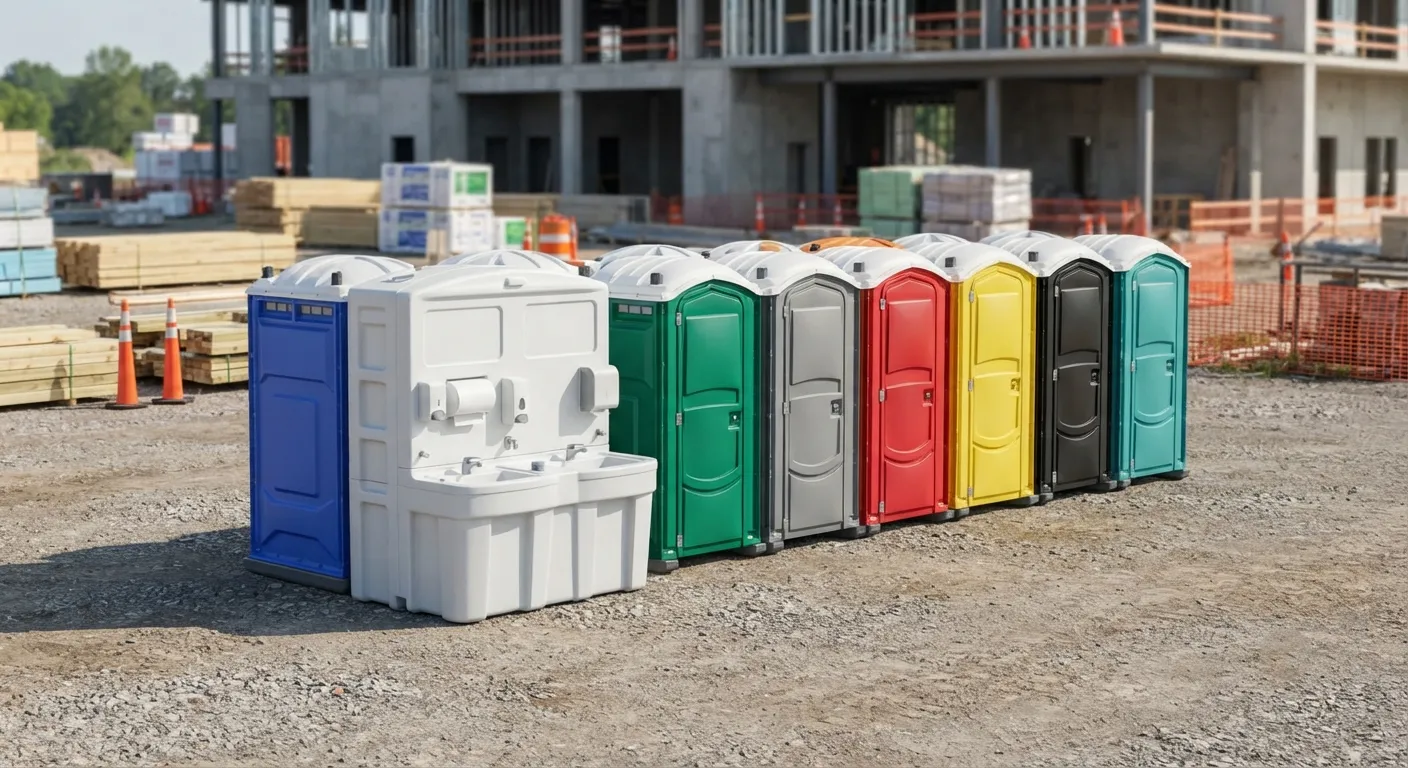
A relief site needs toilets, handwashing, and water, not just one of the three. OSHA 1926.51(c) sets a baseline construction ratio of one toilet per 20 workers, and while a disaster shelter isn't a job site, that ratio is the reference point crews and municipal planners use when they're improvising a headcount fast. OSHA 1926.51(a)(1) requires an adequate supply of potable water at any place of employment, which covers relief workers and volunteers staffing the site. Pair every cluster of toilets with a handwashing station rental or a portable sink rental; under 29 CFR 1910.141(d)(2), a washing facility needs soap and towels or a hand dryer, and hand sanitizer alone doesn't satisfy that.
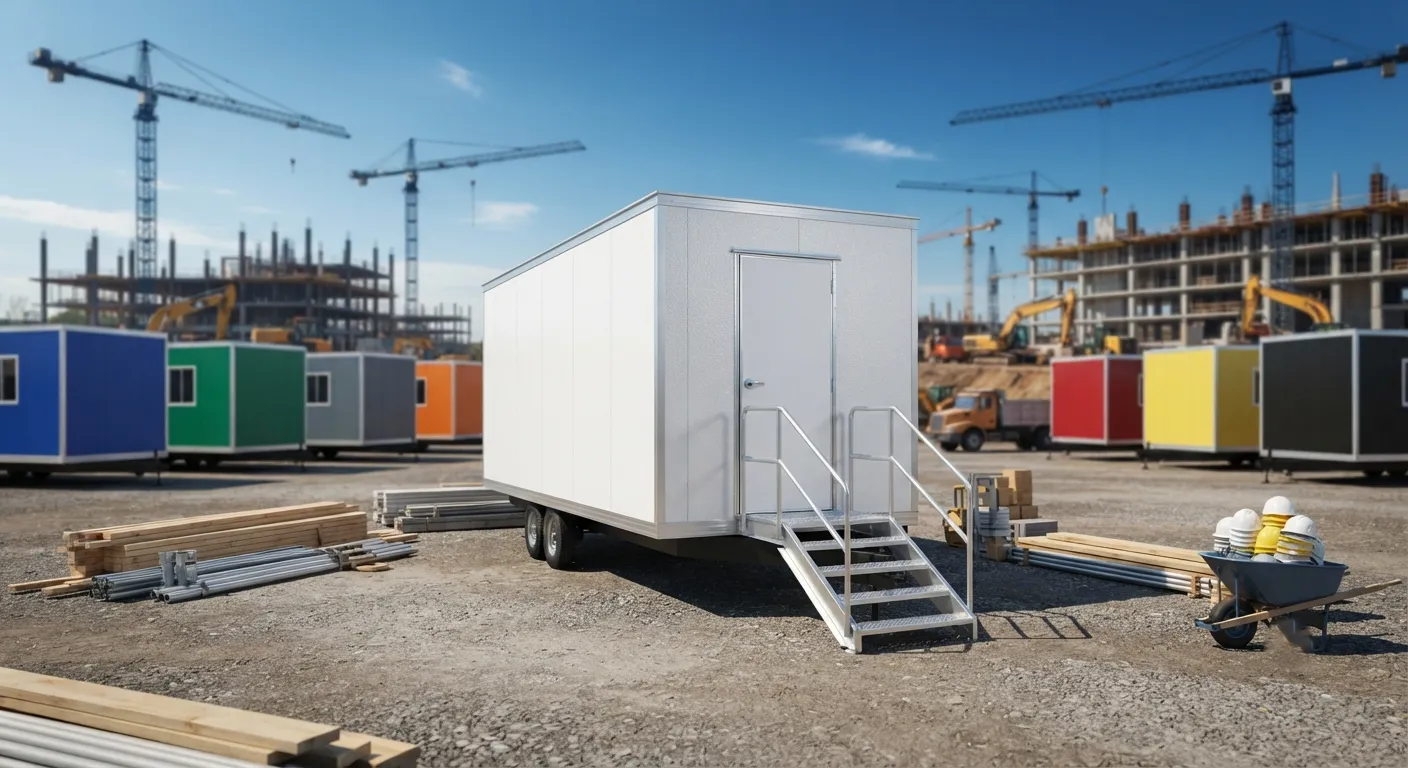
Displaced residents include people with mobility needs, so at least one accessible unit belongs in the mix. ADA Standards section 213.2 requires that where single-user portable toilets are clustered, at least 5 percent, and never fewer than one, must be an accessible model. Our ADA accessible porta potty units meet that standard. If the relief effort includes a first-aid tent or a feeding station, a restroom trailer rental or a 4 stall restroom trailer can handle higher foot traffic than standard units alone, and a shower trailer rental matters for anyone housed on site for more than a day or two. Households whose septic system failed in the flooding may also need a stopgap; our holding tank rental and emergency septic service cover that gap until repairs happen.
Where should relief sanitation units be placed on a damaged site?
Placement follows the same rules as any job site, just under worse conditions. ADA Standards section 403.5.1 calls for a 36 inch clear route to any accessible unit, and section 405.2 caps ramp slope at 1:12, both of which matter more, not less, when the ground is uneven from storm damage. Our porta potty placement guide walks through stable ground, drainage, and truck access, all of which get harder right after a disaster. If the site sits in the public right of way, whether that's a sidewalk staging area or a curb lane near a shelter, placement there needs confirming with the City of Revere before delivery, since we can't assume a blanket exemption during an emergency.
Debris removal usually runs alongside the sanitation order. A roll-off dumpster rental, often a 20 yard dumpster rental for storm debris, clears wreckage fast, and knowing what cannot go in a dumpster matters more than usual when hazardous material is mixed into the debris pile. For temporary housing or a command post that needs to lock up equipment, a storage container rental secures gear between shifts. Revere Porta Pros can put toilets, a dumpster, fencing, and a light tower on the same delivery ticket, so relief coordinators aren't juggling four vendors during the worst week of the response.
How many toilets does a shelter need?
It depends on headcount and hours of operation, not just square footage. As a starting reference, OSHA 1926.51(c) calls for one toilet per 20 people on a standard schedule; a shelter running 24 hours may need more given constant use. Call us with your expected population and we'll size it.
Do you deliver on weekends or holidays for emergencies?
Yes. Disasters don't wait for business hours, and our emergency line is staffed for weekend and holiday response. Standard weekend rates for a unit run in the 125 to 400 range depending on need, and we'll confirm pricing before the truck leaves.
Can you set up handwashing stations without running water?
Yes. Our stations carry their own water supply, so they work anywhere, including a parking lot or open field with no hookup. They pair with any toilet cluster to meet 29 CFR 1910.141(d)(2) requirements for soap and towels on site.
What if the relief site is in a flood zone with no solid ground?
Tell us before delivery. We check ground stability against ADA Standards section 302.1, which requires a firm, slip-resistant surface, and we may recommend a different pad location or added blocking under the unit.
Do you handle both the shelter and nearby residential septic failures?
Yes. We run septic pumping service and holding tank rentals alongside shelter toilets, so one call covers a flooded shelter and a household whose tank backed up in the same storm.
Next step
Get a delivery date
Tell us the address, the dates and the headcount. We size the order and confirm the route.